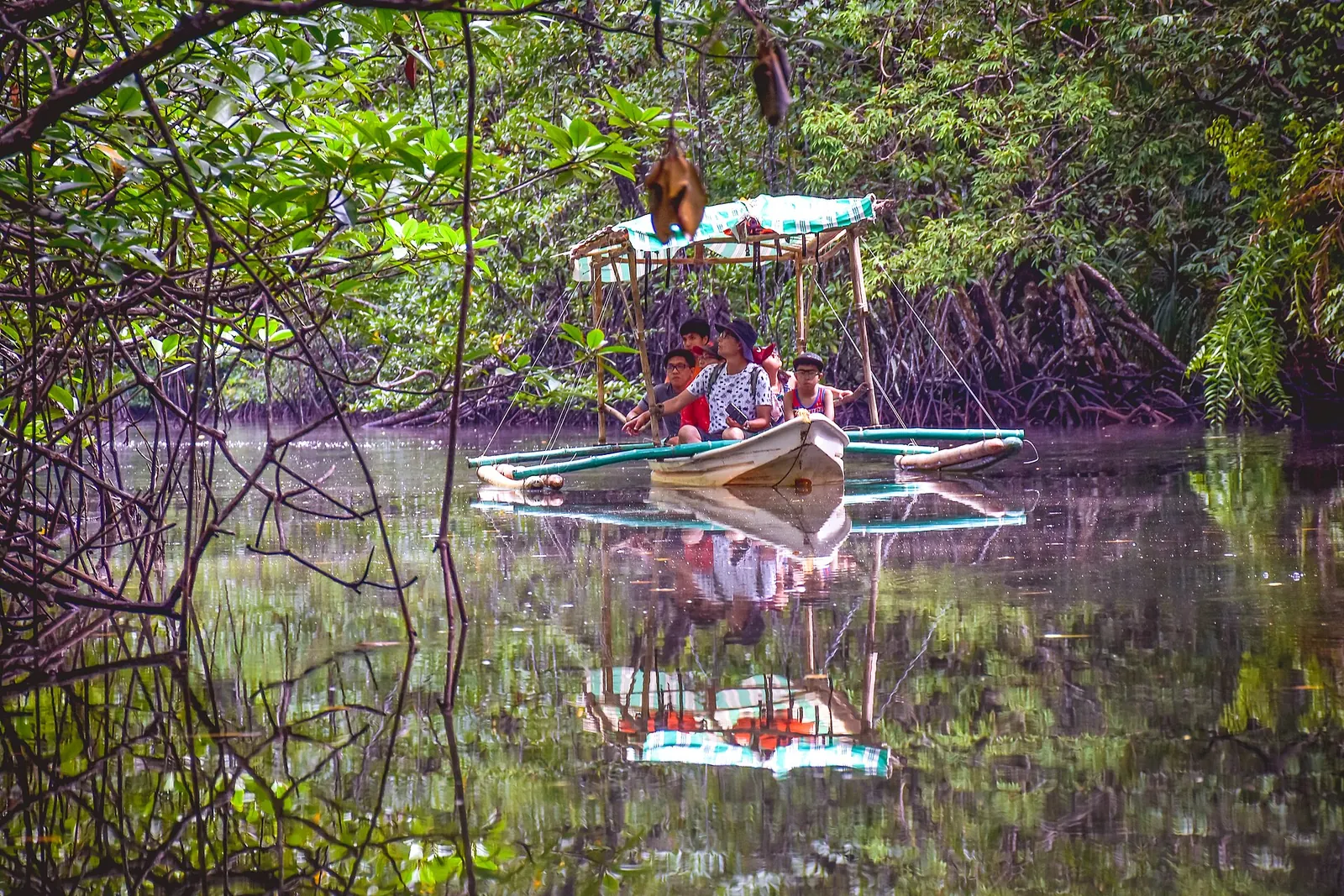

Paddle the Sabang mangroves
The mangrove tour takes paddle boats up the Sabang River through mangrove forest. On the mangrove tour you can plant a mangrove seedling.
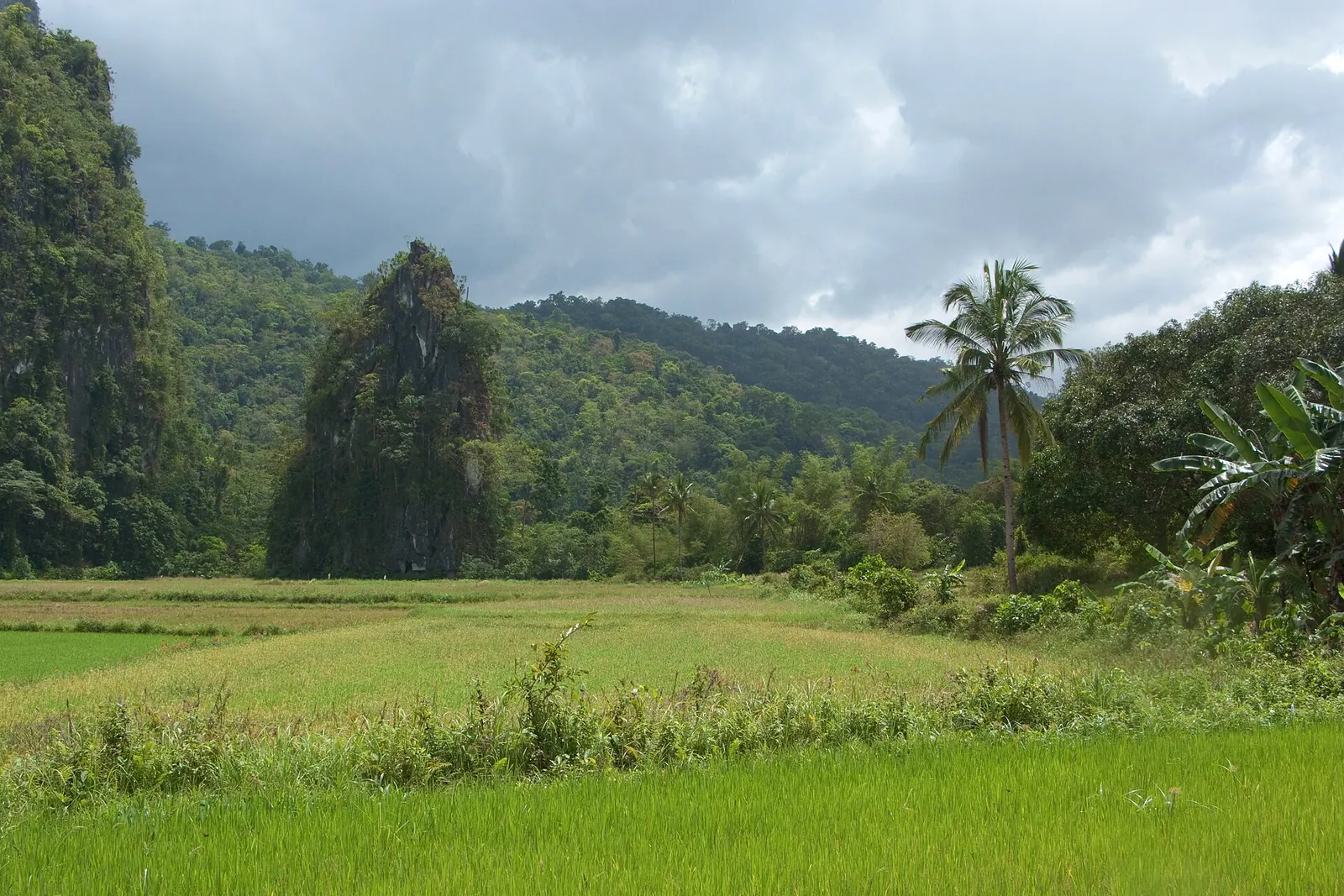
Beyond the Underground River, you can paddle the Sabang mangroves, climb Ugong Rock and ride its zipline down, go island hopping in Honda Bay, and see fireflies on the Iwahig River at night.
See them all The mangrove tour takes paddle boats up the Sabang River through mangrove forest. On the mangrove tour you can plant a mangrove seedling.
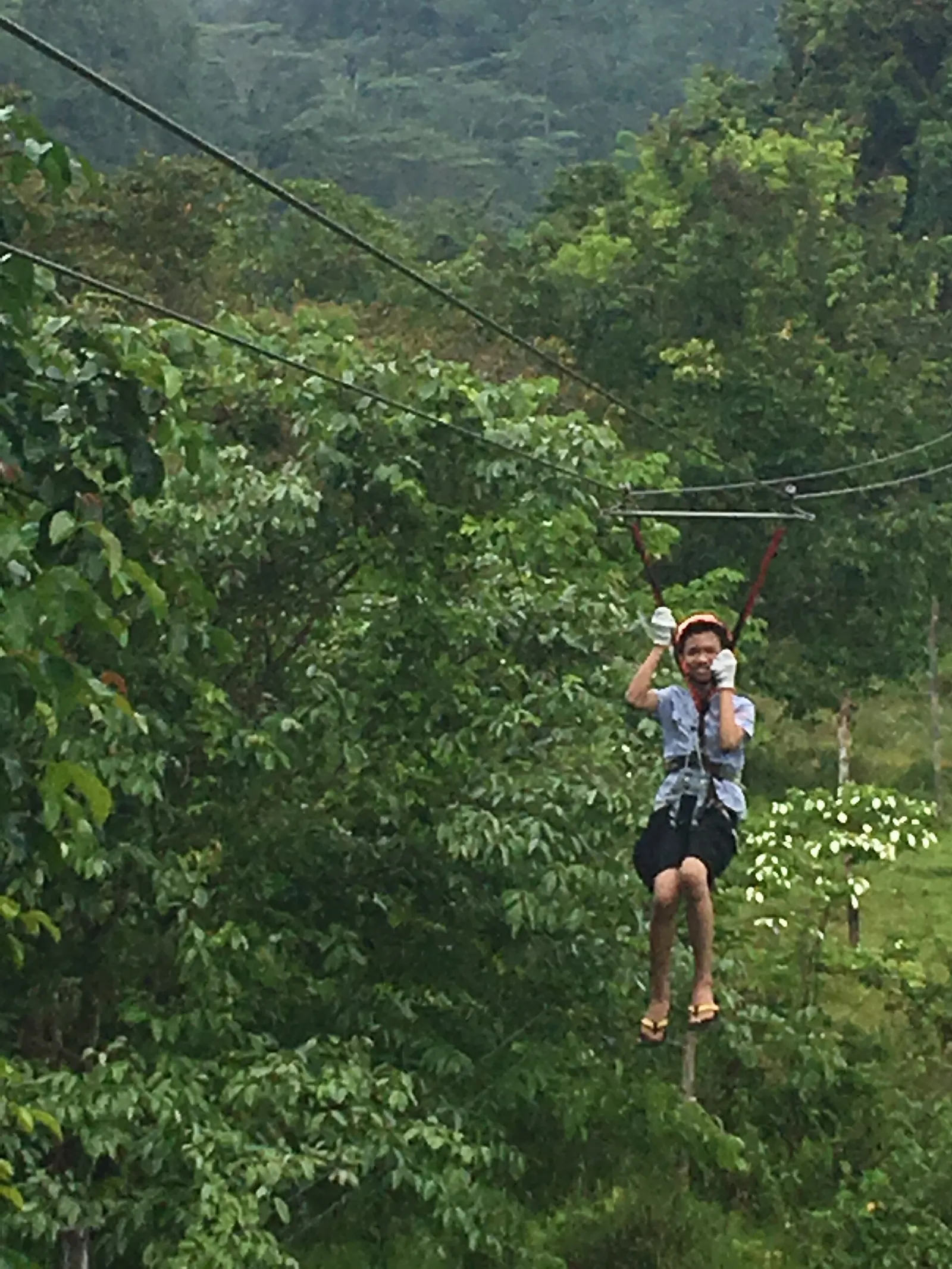
At Ugong Rock in Barangay Tagabinet you climb to the top for views of the limestone hills and rice fields, then ride a zipline down. Ugong Rock is a limestone outcrop about 22 m (75 ft) high, among farms near the underground river.
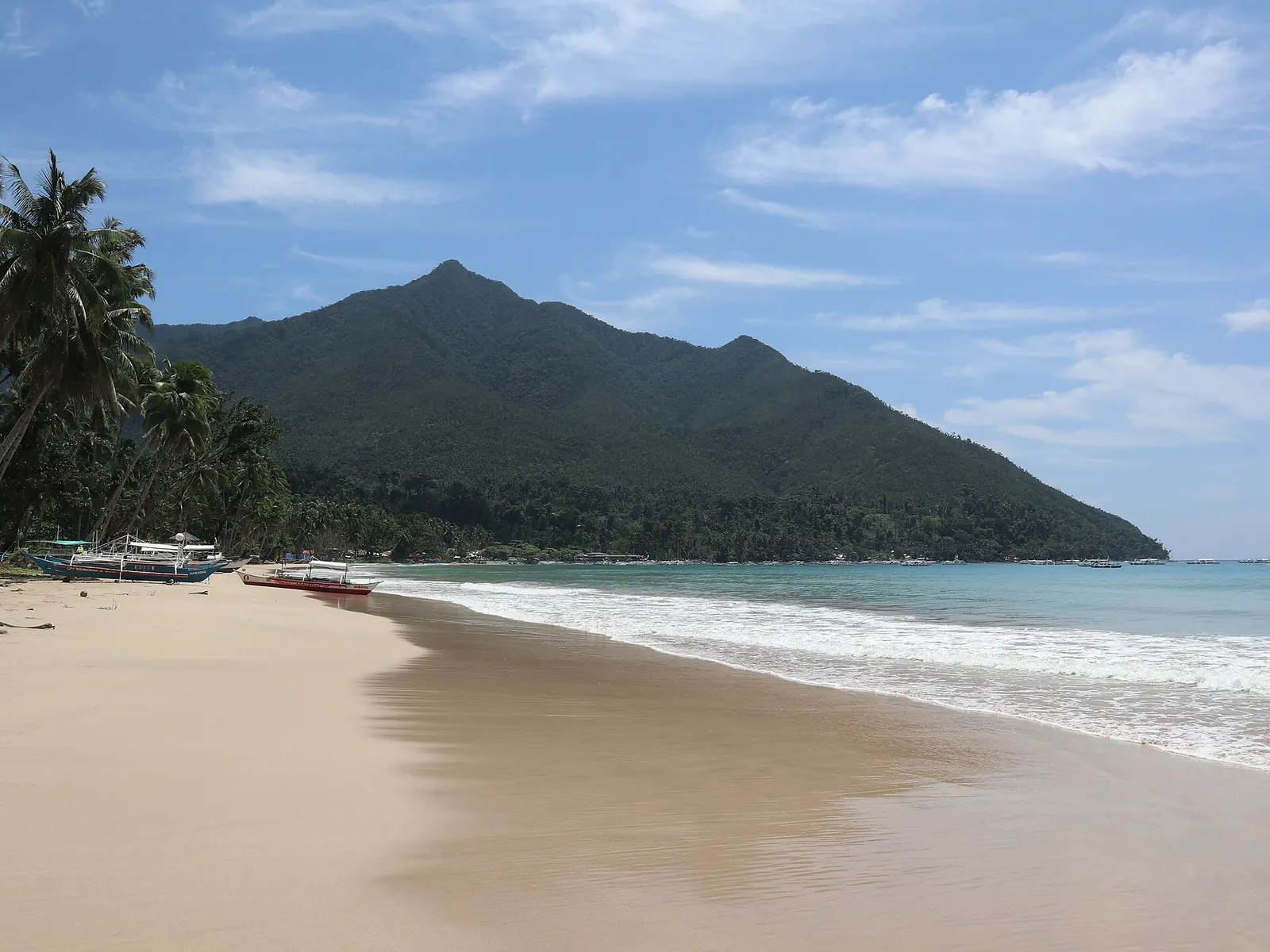
The best-known beaches near the park are Sabang, Panaguman and Marta Fe.
The river starts on Mount Bloomfield, waters rice paddies, then disappears under Mount St. Paul and becomes the underground river.
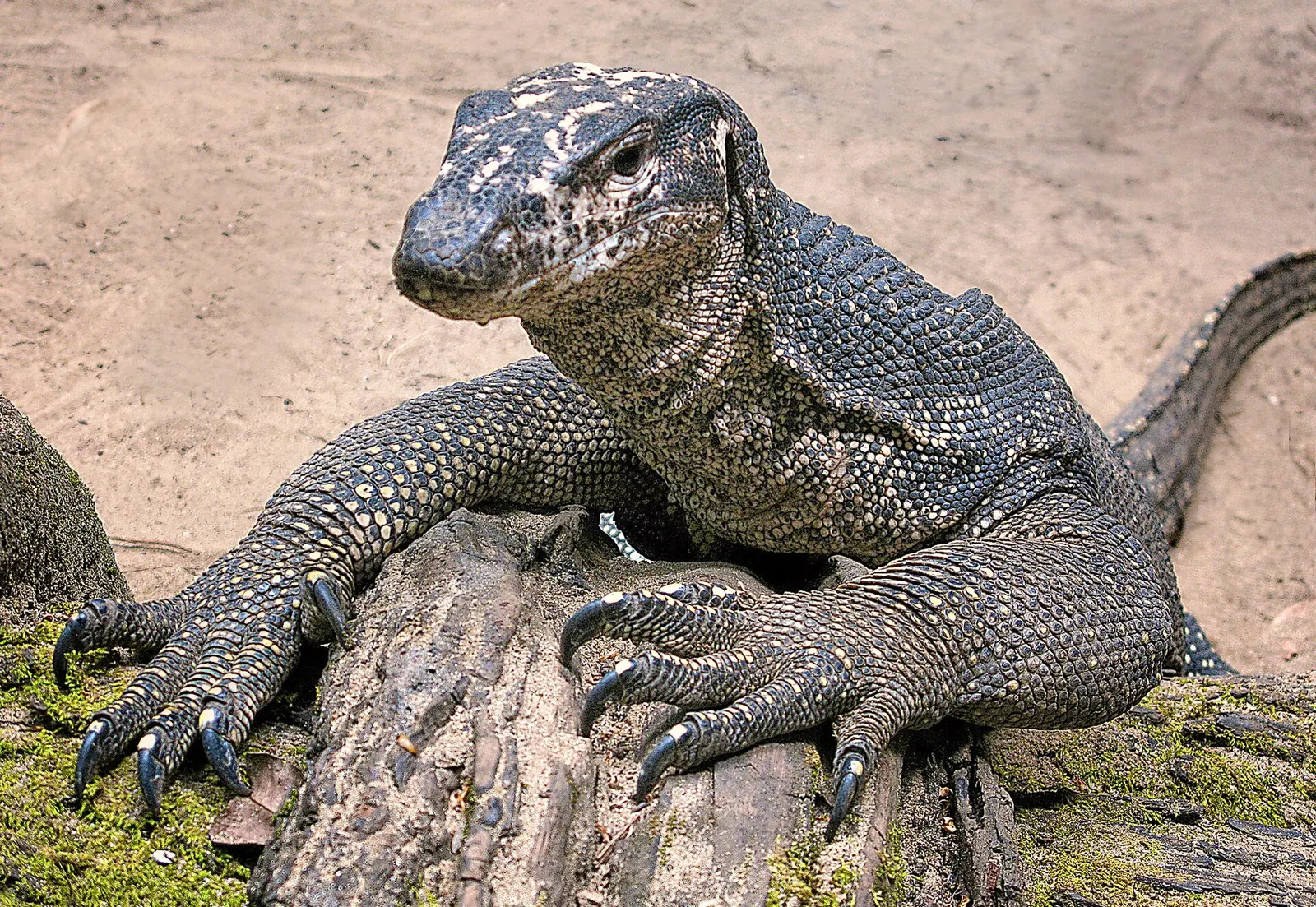
Monkeys and monitor lizards are the animals visitors see most often. The long-tailed macaque is the only primate in the park.
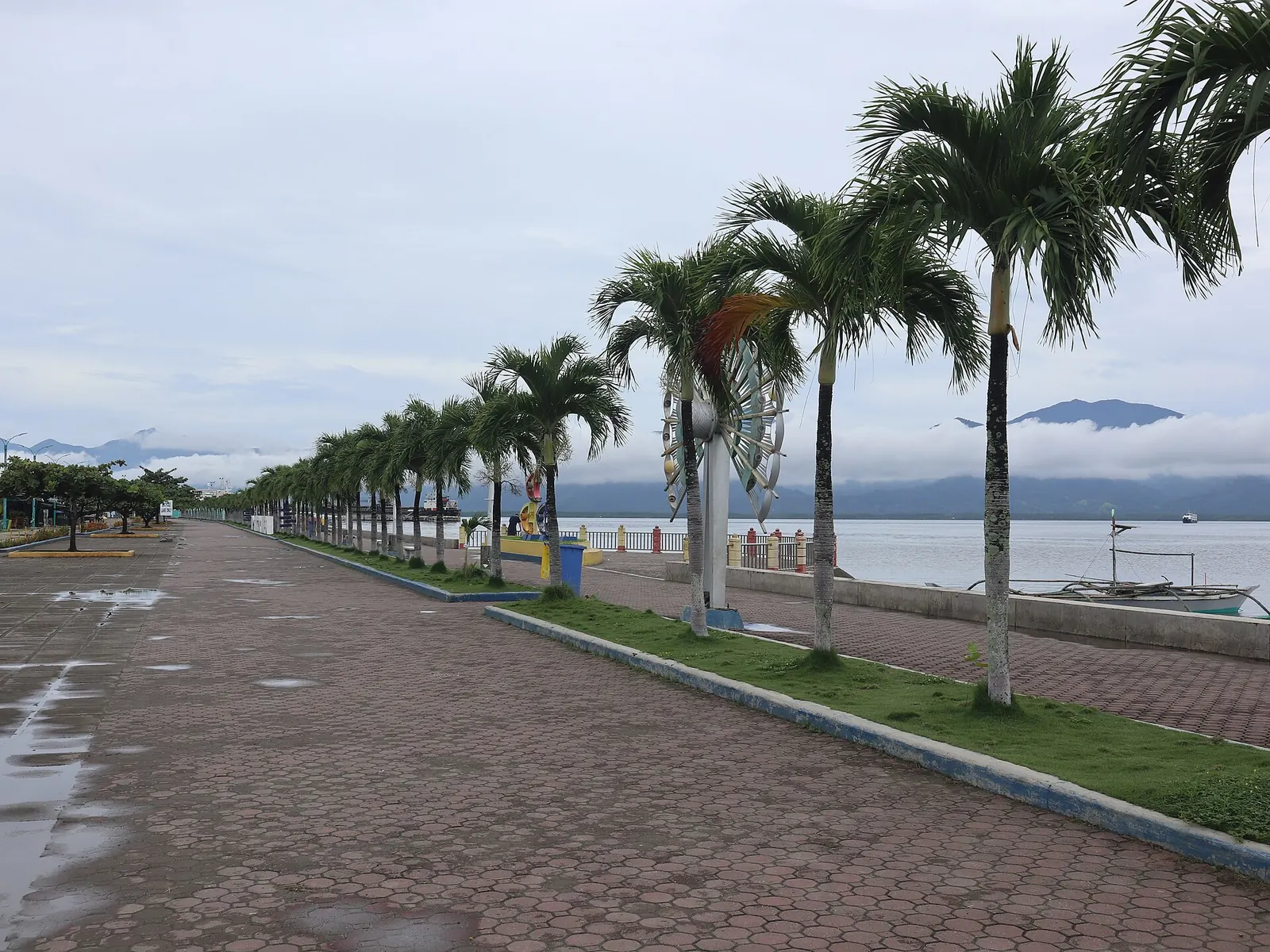
Honda Bay, for island hopping, is about a 30-minute drive from the city center. At night, the Iwahig River firefly tour shows fireflies lighting up the riverbanks near the city.
Honda Bay, for island hopping, is about a 30-minute drive from the city center.
At night, the Iwahig River firefly tour shows fireflies lighting up the riverbanks near the city.
At Ugong Rock in Barangay Tagabinet you climb to the top for views of the limestone hills and rice fields, then ride a zipline down.
Tours of Puerto Princesa City, where the day trips to the Underground River start.
Around the cave
A 5.3 km jungle trail links Sabang with the river entrance. The trail normally opens 8:00 AM to 3:00 PM daily, but the park lists it as closed for renovation. Travellers report the jungle walk takes 1 to 2 hours.
Travellers report you can walk the trail as far as Central station without a permit, but no further. For the trail, wear hiking shoes and bring water and insect repellent.
Other caves in the park include Lions Cave, Daylight Hole and Kawili Cave. The Ethnographic Museum at the park visitor center covers the Batak and Tagbanua, two indigenous peoples of the park.
Animals and birds
Monkeys and monitor lizards are the animals visitors see most often. Long-tailed macaques at the park are used to being fed and may grab food from visitors. Do not feed or tease the monkeys.
Birds to look for include the Palawan peacock pheasant, the Palawan hornbill and the blue-naped parrot. All 15 bird species found only on Palawan have been recorded in the park. BirdLife International lists the park as an Important Bird Area. For birds, start early and bring binoculars.
About 30 kinds of mammals live in the park. Green and hawksbill sea turtles, both endangered, feed in the seagrass and nest on the beaches of St. Paul Bay.
At least 800 plant species grow in the park. The park holds eight kinds of forest. The park covers a whole ecosystem, from the mountains down to the sea.
Plan the season
The city tourism office names April to June as the best time to visit, when the sea is usually calm. The rainy season usually runs from May to December; January to April gets very little rain.
September is the wettest month and February the driest. The average temperature is about 27 °C all year. Typhoons rarely hit Puerto Princesa.
From October to April the northeast monsoon raises waves on the west coast, which faces the South China Sea. Pack a warm layer: nights can be cool on rainy days, especially in the forest.


